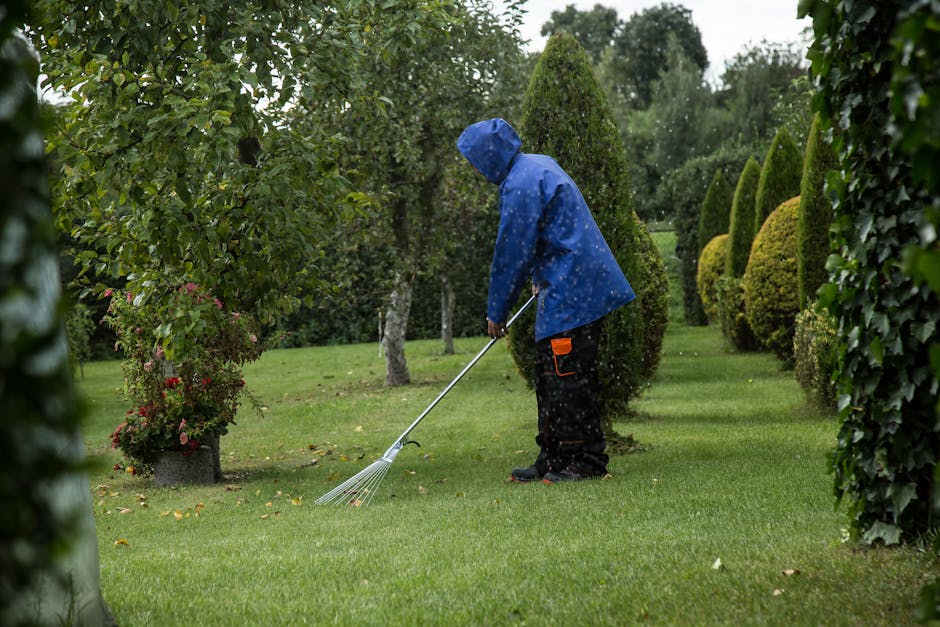
Booking garden clearance in Ilford common problems and fees
If you are thinking about booking garden clearance in Ilford, you are probably dealing with one of those messy jobs that has quietly got out of hand. A garden can look manageable from the kitchen window, then suddenly the brambles, old pots, fallen branches, and half-finished DIY bits start to feel like a small outdoor disaster. Truth be told, that is exactly when most people start asking about common problems and fees.
This guide breaks the topic down in plain English. You will learn what usually goes wrong, what affects the price, how the process tends to work, and how to avoid the annoying surprises that make a clearance job feel more expensive than it should. If you want a broader look at the service offering, the services overview is a useful place to start, and for a closer look at the service itself, see garden clearance.
Let's face it, most people do not book clearance because they enjoy comparing waste disposal categories. They book it because they want the garden usable again, safely, and without spending their whole weekend wrestling a hedge trimmer and a wheelbarrow. So below, we cover the practical side as well as the money side, with a few local realities woven in.
Table of Contents
- Why Booking garden clearance in Ilford common problems and fees Matters
- How Booking garden clearance in Ilford common problems and fees Works
- Key Benefits and Practical Advantages
- Who This Is For and When It Makes Sense
- Step-by-Step Guidance
- Expert Tips for Better Results
- Common Mistakes to Avoid
- Tools, Resources and Recommendations
- Law, Compliance, Standards, or Best Practice
- Options, Methods, or Comparison Table
- Case Study or Real-World Example
- Practical Checklist
- Conclusion
- Frequently Asked Questions
Why Booking garden clearance in Ilford common problems and fees Matters
Garden clearance is not just a tidy-up. In many Ilford gardens, the real issue is scale. A job can start with a few overgrown beds and end with bags of mixed green waste, thorny cuttings, broken fence panels, a dead shrub that refuses to come out, and access that is tighter than expected. That is where problems and fees start to show up.
Why does this matter? Because the price of clearance is rarely a simple flat number. It often depends on the amount of waste, whether the waste is easy to remove, how many labour hours are involved, and whether any extra handling is needed for heavy, awkward, or hazardous materials. If you do not understand those moving parts, quotes can feel confusing. Worse, the final bill can feel like a surprise.
In our experience, the biggest frustration for homeowners is not the work itself. It is the uncertainty before the work starts. Will the quote include loading? What about disposal? What if the garden is more cluttered than the photos suggested? These are fair questions, and a good provider should answer them clearly. If you are checking trust signals as well as price, pages like about us and insurance and safety are worth reading before you commit.
A properly planned clearance can also protect your garden long term. Once the overgrowth is out, it becomes much easier to maintain borders, mow properly, trim hedges, and spot drainage or boundary problems early. It is a bit like cleaning your glasses and suddenly realising how much you had stopped seeing.
How Booking garden clearance in Ilford common problems and fees Works
Most garden clearance jobs follow a fairly simple pattern, even if the details vary from property to property.
- You describe the garden. Usually this means a phone call, message, or form submission with a rough explanation of the work needed.
- Photos or a visit are arranged. For smaller jobs, photos may be enough. For larger or more complex clearances, an on-site look is often better.
- The scope is agreed. This is where the provider clarifies what will be removed, what stays, and whether the price includes loading, disposal, and sweep-up.
- The work is carried out. Depending on size, this may take a few hours or a full day. Larger, tangled gardens can take longer than they look.
- Waste is taken away responsibly. Ideally, green waste is separated and handled in line with recycling and sustainability practices.
The main fees usually come from labour, disposal, and any extra complexity. For example, a straightforward clearance of cuttings and light brash is very different from removing a garden that includes timber, rubble, dense ivy, and an old shed corner that has become part of the ecosystem. That sort of thing happens more than people think.
Some customers ask whether clearance is the same as maintenance. Not quite. Routine upkeep is about keeping things under control; clearance is about resetting the space. If your garden needs regular attention after the big tidy-up, garden maintenance can be the natural next step, with follow-on care such as lawn mowing or hedge trimming helping prevent the same mess from building up again.
Key Benefits and Practical Advantages
There is a reason so many people book clearance in the first place. The benefits are immediate, and in a local London setting they are often practical rather than decorative.
- Safer access: Clearing trip hazards, fallen branches, and hidden debris makes the garden easier to walk through.
- Better light and airflow: Overgrowth blocks light, traps damp, and can make the whole space feel darker and more closed in.
- Easier future maintenance: Once the heavy clutter is removed, mowing, pruning, and general upkeep become much simpler.
- Improved appearance: A clear garden looks more cared for, even before any landscaping begins.
- More usable space: You may find you have more usable patio, border, or lawn area than you thought.
- Reduced stress: Perhaps the most underrated benefit. Not having to stare at a growing pile of branches every morning is surprisingly freeing.
There is also a planning benefit. Once the area is cleared, you can better judge what to do next. Some people go straight into planting or redesign. Others simply want the space neat and manageable. Either way, clearance creates a clean starting point.
If you are considering a bigger outdoor refresh later, it can help to think about the garden as a sequence: clearance first, then maintenance, then perhaps landscape gardening or wider landscaping work if the structure of the space needs changing.
Who This Is For and When It Makes Sense
Garden clearance is not only for neglected properties. In fact, some of the most common customers are ordinary homeowners with busy lives. The garden just got away from them. That is it. No drama.
This service makes sense if you are:
- moving house and need the outdoor space presentable
- preparing for new planting, turfing, or design work
- dealing with seasonal overgrowth after a wet spell
- clearing after storm damage, leaf fall, or branch drop
- sorting out a rental property between tenancies
- trying to regain control after a long period of little maintenance
- working around mature hedges, trees, or dense shrubs that have become unmanageable
It is especially sensible when the job has started to involve more than ordinary tidying. If you are cutting back thick growth, lifting roots, or dealing with awkward woody waste, the work gets heavy quickly. You may also need related services such as tree lopping and removal if branches are unsafe or severely overextended.
To be fair, some people try to do everything themselves. Sometimes that works. Sometimes it means three trips to the tip, a sore back, and the discovery that the thorn bush is not going quietly. There is no prize for suffering through it.
Step-by-Step Guidance
If you want a smoother booking experience and fewer fee surprises, follow a simple process.
- Define the goal. Decide whether you want a full clearance, a one-off tidy-up, or a clearance plus longer-term upkeep.
- Walk the garden first. Note the worst areas, hidden waste, access points, side gates, and anything fragile that needs care.
- Take clear photos. Good photos help the provider judge labour and waste volume more accurately.
- Ask what the quote includes. Loading, disposal, labour, VAT if relevant, and removal of heavier material should all be clear.
- Check for access issues. Narrow paths, limited parking, or rear access problems can affect time on site and therefore the fee.
- Confirm the waste type. Mixed waste can cost more than clean green waste. That is normal.
- Agree the outcome in writing. Even a short message summary helps both sides stay aligned.
- Prepare the space. Move personal items, unlock gates, and flag anything that must not be touched.
One practical tip: do not underestimate how long a quote conversation takes when the garden is packed with mixed material. A quick five-minute call can save a lot of hassle later. It really can.
If payment clarity matters to you, you may also want to review payment and security and the provider's pricing and quotes information before making a decision.
Expert Tips for Better Results
Good garden clearance is not just about clearing more. It is about clearing smarter.
- Separate the job into zones. A front garden, side return, and rear garden may need different effort levels. Marking them out helps with quoting and scheduling.
- Clear access before the crew arrives. Move bins, bikes, toys, and anything that blocks a route to the waste vehicle.
- Be honest about the mess. If there is rubble under the brambles, say so. Hidden material is one of the biggest causes of fee changes.
- Think beyond the first tidy. If overgrowth came from missed maintenance, plan the follow-up care now. Otherwise, the problem tends to creep back. Quietly. Then all at once.
- Ask about recycling. A provider with a sensible waste-handling process can often separate reusable green material from general rubbish.
In practical terms, the best results come when the customer and the provider have the same picture in mind. A "clear the garden" request can mean very different things to different people. One person means light pruning and bagged clippings. Another means a full reset, root removal, and a visible finish on all surfaces. The more specific you are, the better.
If sustainability is important to you, look for a provider that can speak confidently about green waste handling and responsible disposal. You can also read more about recycling and sustainability in service delivery.
Common Mistakes to Avoid
The mistakes people make are usually quite predictable, which is handy, because they are also avoidable.
- Booking without photos or a proper description. A vague "tidy-up" request often leads to a vague quote.
- Assuming all waste is the same. Green waste, mixed waste, timber, soil, and rubble are not priced or handled in the same way.
- Forgetting access and parking. If bags and branches need to be carried a long distance, labour time increases.
- Not checking what is excluded. Some jobs do not include dismantling, stump work, or heavy construction debris.
- Trying to bundle too many jobs together. Clearance, hedge shaping, decking repairs, and landscaping can be combined, but they should be costed separately or at least clearly itemised.
- Choosing on price alone. A cheaper quote can be fine, but only if the scope is clear and the provider is properly set up to do the job safely.
A surprisingly common issue is overconfidence in the amount of waste. People often think they have "a few bags" when the garden is full of compacted cuttings, roots, and a branch pile hiding in the corner. The volume adds up fast. That is where honest pricing matters most.
If you are ever unsure about expectations or service handling, check the company's support pages such as complaints procedure, terms and conditions, and contact us before you go ahead.
Tools, Resources and Recommendations
You do not need a van full of specialist kit to plan a clearance, but a few simple tools and habits make the process easier.
- Phone camera: Take wide shots and close-ups. Both matter.
- Notebook or notes app: Jot down access points, estimated bag count, and anything fragile.
- Rake, secateurs, and gloves: Useful for light pre-clearance work, but do not force yourself into heavy cutting if the growth is dense.
- Garden sacks or bins: Helpful if you are separating loose cuttings before the team arrives.
- Measuring tape: Handy if you want to estimate a border or path that may affect labour.
For homeowners trying to decide which service to combine with clearance, these links can help map out the next step: lawn mowing for turf recovery, hedge trimming for boundary control, and services overview if you want to compare related outdoor work in one place.
And if you are the sort of person who likes to see who is behind the work before handing over the keys or gate code, the about us page is there for that reason. Small thing, but it builds confidence.
Law, Compliance, Standards, or Best Practice
Garden clearance touches on waste handling, safety, and property care, so it is sensible to think about compliance and good practice, even if the job itself seems straightforward.
In the UK, garden waste and mixed waste should be handled responsibly, with disposal arranged through appropriate channels. You do not need to become a waste expert, but you should expect a professional provider to separate material where possible and avoid leaving you with the headache of unclear disposal. That matters both for environmental reasons and for peace of mind.
Best practice usually includes:
- clear scope agreed in advance
- safe working around fences, sheds, trees, and patios
- reasonable protection of nearby surfaces and plantings
- appropriate handling of sharp, heavy, or awkward debris
- transparent charging for extra work if the scope changes
Insurance is another sensible check. If workers are operating on your property, you want to know there is proper cover in place if something unexpected happens. That is not being picky. It is just sensible. You can review the provider's insurance and safety information and health and safety policy to see how they approach risk.
For customers who care about ethical operations more broadly, the company's modern slavery statement is also available. It may not be the first thing on your mind when a hedge is swallowing a path, but it is part of a trustworthy business profile.
Options, Methods, or Comparison Table
There are a few common ways to approach garden clearance. The right choice depends on urgency, budget, and how much of the work you want to handle yourself.
| Option | Best for | Typical advantages | Potential downside |
|---|---|---|---|
| DIY clearance | Very small tidy-ups and light cuttings | Lower immediate cost, full control | Time-consuming, disposal effort, physical strain |
| Partial professional clearance | Jobs where you can do some prep but need help with the heavy lifting | Lower fee than a full service, still practical | Requires more of your own time and coordination |
| Full clearance service | Overgrown, cluttered, or time-sensitive gardens | Fast reset, less stress, waste taken away | Higher cost than DIY, scope must be clearly agreed |
| Clearance plus follow-up maintenance | Gardens that need a full reset and then ongoing care | Best long-term control, better finish | More planning, potentially a larger overall spend |
For many homeowners, the best value is not the cheapest option on paper. It is the option that avoids repeat work, extra trips, and awkward surprises. A garden that is properly cleared once, then maintained sensibly, usually costs less in the long run than a patchwork of rushed fixes.
If your plans go beyond clearing and into building or reshaping, you may eventually want to explore decking services as part of a wider outdoor project. Not every garden needs that, of course. But it is useful to know the path exists.
Case Study or Real-World Example
Here is a realistic example. A typical Ilford rear garden has a narrow side passage, a patch of lawn with heavy leaf build-up, a hedge that has grown into the path, and a back corner full of cut branches and old planters. On first glance, it looks like a half-day tidy. Then you notice the wet soil, the awkward access, and the fact that the hedge clippings are mixed with old plastic pots. Suddenly the job becomes more involved.
In a case like that, the provider would usually start by clarifying what is being removed, whether access is easy enough for carrying waste out, and if anything is hidden beneath the top layer. That last part matters. More than once, a "simple" clearance has revealed old timber offcuts, broken edging, and a surprising amount of rubble. It is not unusual, just a bit annoying.
Once agreed, the job might be completed in one visit if the waste volume is moderate. The customer gets a clearer, safer space. The provider gets the material loaded and disposed of properly. The next week, the owner can actually mow the lawn without fighting through the hedge. Small win, but a satisfying one.
That is really the point of getting the pricing and scope right. Not perfection. Just a garden that stops feeling like an obstacle course.
Practical Checklist
Use this before you book.
- Have I described the garden clearly, including the worst areas?
- Have I sent good photos from multiple angles?
- Do I know whether the quote includes labour, loading, and disposal?
- Have I mentioned access issues, parking, and narrow gates?
- Do I know if the waste is mainly green waste or mixed material?
- Have I checked whether any trees, hedges, or heavy items need separate attention?
- Do I understand what is excluded from the price?
- Have I reviewed safety, insurance, and payment information?
- Do I want follow-up work such as mowing or maintenance after clearance?
- Am I clear about the expected finish: tidy, fully cleared, or ready for redesign?
Quick takeaway: the cleaner your brief, the smoother the job. That single habit saves a lot of back-and-forth and often keeps the fee fairer too.
Conclusion
Booking garden clearance in Ilford common problems and fees is really about understanding the job before it starts. Once you know what affects the price, what kinds of access or waste cause issues, and how the scope should be agreed, the whole process becomes far less stressful. A neglected garden does not need judgment. It just needs a plan.
The best outcome is usually simple: a clear quote, a clear scope, careful removal, and a garden that feels usable again. From there, you can decide whether you want to maintain it, reshape it, or keep going with a full outdoor refresh. Either way, you are starting from a better place.
Get a free quote today and see how much you can save.
And if you are still comparing providers, take a moment to look at the details that matter: pricing and quotes, payment and security, and the company's commitment to recycling and sustainability. A good choice tends to feel calm, not rushed. That feeling is worth a lot.
Frequently Asked Questions
What is included in garden clearance?
Garden clearance usually covers removing overgrowth, cuttings, leaves, branches, and general garden debris, plus loading and disposal if agreed. Some providers also sweep up the cleared area afterwards. Always check the scope so you know exactly what is included and what might cost extra.
Why do garden clearance fees vary so much?
Fees vary because every garden is different. The main factors are waste volume, type of waste, labour time, access, parking, and whether the job includes heavy or awkward items. A tidy front garden with light green waste is usually far simpler than a dense rear garden with mixed material.
Can I get a fixed price for garden clearance?
Sometimes, yes. A fixed price is more likely when the provider can assess the job accurately from photos or an on-site visit. If the garden is hidden, overgrown, or full of unknown waste, the provider may prefer a quote based on the actual scope after inspection.
What are the most common problems when booking clearance?
The most common problems are unclear descriptions, hidden waste, difficult access, and scope confusion. People also underestimate how much material they have. That is why photos and a proper discussion are so useful before anyone books a slot.
Do I need to be at home during the clearance?
Not always, but it can help, especially if there are gates, side access, or items that must not be removed. Some customers prefer to stay nearby for the first visit, then leave once the scope is agreed. It depends on your comfort level and the provider's process.
Is garden waste always cheaper than mixed waste?
Usually, yes. Clean green waste is simpler to handle than mixed waste that includes timber, soil, rubble, or plastic. Mixed loads often require more sorting and may attract higher disposal costs, which affects the final fee.
How do I avoid surprise charges?
Be detailed from the start. Share photos, mention hidden corners, and explain any heavy items or access issues. Ask what is included, what is excluded, and what happens if the crew finds more waste than expected. Clear communication is the best safeguard.
Should I book garden maintenance after a clearance?
If the garden has been neglected for a while, yes, it often makes sense. Clearance solves the immediate problem, but regular upkeep stops it from coming back. A follow-up plan may include mowing, hedge trimming, and seasonal tidying.
What if my garden has tree branches or unsafe growth?
If branches are large, low-hanging, or awkwardly placed, you may need a service that handles tree work rather than simple clearance. In some cases, tree lopping and removal is the better fit. Safety comes first, always.
How long does a typical clearance job take?
It depends on the garden size and complexity. Small tidy-ups may take only a few hours, while large overgrown or cluttered spaces can take much longer. Access problems and extra waste can extend the time, so it is best not to assume every garden is a quick win.
What should I check before choosing a provider?
Look at experience, insurance, safety practices, pricing clarity, payment information, and how they explain their process. If you want to understand the company better first, the about us and insurance and safety pages are good starting points.
Can garden clearance help if I want to redesign the space?
Absolutely. Clearance is often the first step before redesign, planting, turfing, or hard landscaping. Once the space is stripped back and tidy, it is much easier to see what is possible and decide how to move forward without guessing.