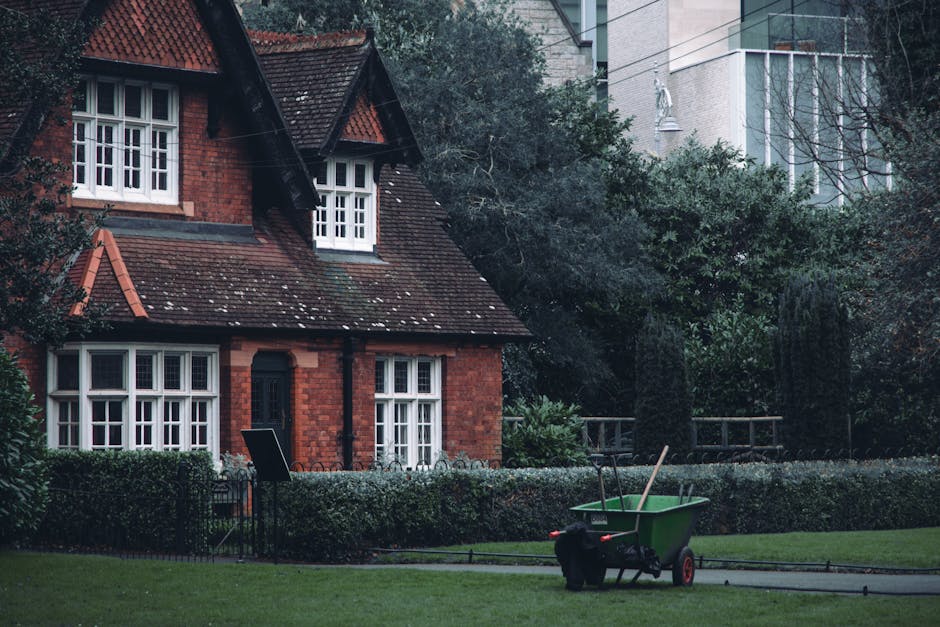
Garden Maintenance in Ilford

Garden Maintenance in Ilford is about keeping outdoor spaces tidy, healthy and manageable through regular, practical care. Our service can include routine lawn attention, hedge trimming, border upkeep, leaf clearing and the seasonal work that helps gardens stay presentable through changing weather. For many households, the value lies in consistent maintenance rather than occasional major intervention, so the work is planned to suit the size, condition and layout of the garden.
We approach each garden maintenance visit with the same aim: to deal with the visible jobs that build up and to leave the space easier to use. That may mean controlling overgrowth, shaping edges, removing debris and bringing a more ordered look to planted areas. Balanced upkeep is often the difference between a garden that feels forgotten and one that feels looked after, and our service is designed around that practical outcome.
Alongside the routine tasks, we can also support more focused care where one part of the garden needs extra attention. If you are comparing service options or preparing to request a price, start with the main work you want completed and note any areas that are difficult to access or need particular care. You can request a quotation once you know the scope you need, or continue reading to see how the service is typically organised.
Routine upkeep for lawns, borders and access areas
Regular maintenance is most effective when it covers the parts of a garden that quickly lose shape or neatness. Lawns need cutting at sensible intervals, edges need definition and planted beds benefit from light tidying so that the space stays coherent rather than uneven. In a residential setting, this kind of work helps the garden feel cared for without pushing it into an overly formal look, and it can be scaled to simple front gardens or larger rear spaces.
Our work can also include the sort of finishing touches that make a noticeable difference without changing the character of the garden. That may involve clearing fallen leaves, removing spent growth, cutting back light encroachment from paths and checking that borders remain visible. If you want to discuss regular visits, start with the areas that look untidy first so the schedule reflects what matters most. Keep it simple and practical rather than trying to describe everything at once.
Some customers prefer a repeating maintenance pattern, while others need a one-off tidy-up before guests arrive, a sale, or the start of a growing season. Either way, the service should be based on visible tasks and the time needed to do them properly. A helpful preparation step is to walk the garden and note any features that should be protected, such as delicate planting, ornaments, pond edges or narrow access routes. If you are ready, ask for a quotation and we can shape the work around the garden you have.
Hedge trimming and shaping

Hedges often define the structure of a garden, but they also become one of the first places where maintenance is noticed. Trimming is not only about reducing height; it is also about keeping sides even, preventing sprawl and making sure the hedge continues to serve its boundary or screening purpose. Done carefully, the result is a cleaner outline and a more settled appearance across the whole outdoor space.
We can approach hedge work as part of wider garden maintenance or as a standalone task where the main issue is shape, thickness or excessive growth. Different hedge types need different treatment, and a good cut respects the plant rather than forcing it into an unsuitable form. In some gardens, the right task is a tidy trim; in others, it may be a more measured reduction that leaves the hedge balanced. Judgement matters here, because a hedge that is cut too hard can look sparse or uneven.
Where trimming is combined with general upkeep, the finish is usually better because loose clippings and surrounding debris are removed at the same visit. That keeps paths, lawns and beds clear and avoids leaving the garden half-done. If you are comparing what to include, think about whether the hedge simply needs shaping or whether the surrounding area also needs a broader tidy. For a clear next step, a quotation request can be based on the hedge length, height and access conditions.
Lawn mowing and neat finishing
Lawn mowing is one of the most visible parts of garden maintenance, and a regular cut can immediately improve the overall look of a property. The main aim is not just to shorten the grass, but to keep the surface even, the edges clean and the lawn in a condition that supports healthy regrowth. A well-maintained lawn helps the rest of the garden feel organised, particularly where paving, beds and borders sit close to the grass.
Cutting frequency depends on growth, weather and the way the garden is used. Some lawns benefit from close, regular attention, while others are better served by a slightly longer cut that suits the season and the condition of the grass. We can also combine mowing with edge trimming and light clearance so that the work finishes neatly rather than stopping at the mower line. That detail matters, because unfinished edges can make even a freshly cut lawn look untidy.
When a lawn is part of a wider maintenance visit, it is often sensible to include nearby spaces where cuttings or debris collect. Paths, patios and boundary lines can all affect how the finished garden appears, and a tidy lawn looks better when the surrounding areas are cleared as well. If you are planning ongoing care, decide whether the grass should be treated as the main task or one part of a broader maintenance visit, then ask for a quotation with that in mind.
Garden clearance and removal of untidy growth
Garden clearance is useful when a space has become difficult to manage because of accumulated cuttings, broken plant material, dead growth or overrun patches that need clearing before normal maintenance can resume. It is a more decisive form of garden work than routine tidying, but it still needs care and restraint. The aim is to restore order without stripping the garden of everything that gives it shape or character.
In practice, clearance can involve gathering and removing debris, cutting back neglected areas, opening paths that have become cramped and reducing dense growth where it is blocking usable space. If there are shrubs, beds or small trees mixed into the area, the work should separate what can be retained from what needs to go. This is where clear instructions help, because priority areas may be different from garden to garden. A precise brief saves time and keeps the result aligned with the customer’s plans.
Not every clearance job has the same purpose. Some are intended to prepare a garden for fresh planting or redesign, while others simply bring a neglected area back to a maintainable state. In either case, it is sensible to describe the size of the space and any constraints such as narrow access or heavy, awkward material. Once the main objective is clear, a quotation can reflect the actual amount of work rather than a rough assumption.
Preparing a clear brief

A good quotation starts with a plain description of what the garden needs. It helps to identify the main tasks in order of importance, especially where one area is more urgent than another. If you are thinking about a repeat visit or a one-off tidy, note how often the garden tends to change and whether any parts are particularly prone to overgrowth. That gives the work a sensible structure from the outset.
Useful details are straightforward: approximate garden size, which surfaces need attention, whether waste removal is needed, and whether there are features that should be handled carefully. Photographs can help when the garden is not easy to describe in words, but they work best alongside a short written summary. A quotation request is easier to assess when it covers access, the current condition and the kind of finish you want, rather than a long list of unrelated points.
If the garden has been neglected for a while, it is usually better to say so plainly than to understate the work. That allows the maintenance plan to account for extra clearing, more clipping disposal or the need to tackle dense growth before routine care can take over. A clear brief also helps if you want to compare a first tidy-up with ongoing maintenance later. Accurate details lead to better planning and make the next step much simpler.
Seasonal care and practical garden decisions
Seasonal changes affect the kind of maintenance that is most useful. In spring, gardens often need fresh tidying after winter growth has left them uneven or cluttered. Summer maintenance is more about holding shape, managing active growth and keeping lawns and borders from getting ahead of the schedule. In autumn, fallen leaves and fading growth can make the garden feel untidy quickly, while winter work often focuses on restraint, clearing and sensible preparation for the next period of growth.
Choosing the right tasks for the season avoids unnecessary work and keeps the garden in better condition. A hedge may not need the same treatment in every month, and a lawn that is struggling in dry weather may need a different approach from one growing strongly after rain. The point of maintenance is not only to cut, trim or clear, but to decide what should be left alone so the garden stays healthy. That balance is especially important where planting is established and should not be disturbed unnecessarily.
Useful maintenance decisions often come down to visible priorities. Which areas look most tired? Which spaces affect how the garden is used day to day? Which tasks will make the largest difference with the least disruption? Thinking in those terms makes it easier to shape a practical visit, whether the goal is a one-off tidy or a recurring service. When you are ready, you can move from planning to a quotation request without needing to over-explain every detail.
About Ilford
Ilford is a large district in east London, historically associated with Essex and now part of the London Borough of Redbridge. It developed significantly with the arrival and expansion of rail travel in the nineteenth century, which helped transform it from a smaller settlement into a busy suburban centre. Today it sits on a major transport corridor into central London, with Ilford station forming part of the Elizabeth line and connecting the district to places across the capital and beyond. The area has a strong urban character, with a mix of shopping streets, residential roads, civic buildings and green spaces that reflect successive phases of growth. Valentines Park is one of the best-known local open spaces, with ornamental gardens, lakes and historic landscape features that give it a calmer, more formal feel than the surrounding streets. Nearby, Valentines Mansion offers a sense of the district’s earlier country-house history, while Ilford’s town centre shows the practical side of a long-established suburban hub. The area also includes a range of places of worship, schools and community facilities, and its built environment combines post-war redevelopment, Victorian and Edwardian housing, and newer commercial premises. As with many parts of east London, the district has changed over time while retaining a recognisable local identity shaped by transport, retail and residential life.
Landscape gardening and broader outdoor improvements

Some gardens need more than routine maintenance and respond best to a broader plan that improves structure as well as appearance. Landscape gardening can include planting changes, the reworking of tired beds, the shaping of paths and edges, and the introduction of features that make the space more usable. It is a sensible option when the existing layout no longer works well, or when maintenance alone is not enough to solve the underlying problem.
In practical terms, landscape work is often about making good decisions before any heavy labour begins. Where should planting be retained? Which areas should be opened up? How can the garden feel more coherent without becoming difficult to maintain? These are useful questions because the best result is not always the most dramatic one. A modest change in layout, border depth or surface arrangement can make the whole space read more clearly and reduce the amount of future upkeep required.
If you are weighing up maintenance against a larger change, it can help to treat the garden as a sequence of zones. Some parts may only need trimming or mowing, while others need renewal or redesign. That lets the work stay focused and avoids paying for unnecessary intervention. For a more ambitious project, the quotation should reflect the scope of the garden as a whole, especially if the finished result depends on several coordinated tasks.
Choosing the right scope for your garden
Not every garden needs the same level of attention, and a sensible maintenance plan should match the actual condition of the space. A tidy, established garden may only need regular mowing, hedge trimming and occasional clearing. A garden that has been left longer between visits may need a more substantial first pass before it can be maintained easily. The useful question is not what sounds impressive, but what will keep the garden in a manageable state afterwards.
Small, regular interventions often protect the appearance of a garden better than occasional large jobs. That is especially true where borders, lawns and hedges all interact. A clean edge can make planting look cared for, and clearing debris before it builds up can stop simple tasks becoming more difficult. If you are unsure where to start, think first about the surfaces and features that are most visible from the house or entrance, then add the tasks that restore the wider space.
To make an enquiry easier, it helps to be clear about whether you want ongoing maintenance, a one-off tidy, or a larger clear-out followed by future visits. The more specific the brief, the easier it is to match the work to the garden. When you have the scope in mind, the final step is simple: request a quotation and describe the outcome you want in ordinary terms.
What a well-kept garden can include

A well-kept garden does not need to look overworked. It usually reads best when the main features are balanced and the practical parts are under control. That can mean a lawn with neat edges, hedges with a defined line, beds that are clear of clutter, and access areas free from overhanging growth. When the visible parts of a garden are in order, the whole property can feel more settled and easier to use.
Our garden maintenance service is built around those practical results. Depending on the task, we can focus on regular care, clearing, shaping, trimming or a combination of all of them. The key is to keep the work specific enough that it solves the actual problem without adding unnecessary extras. If you prefer a single visit, that can be organised around the main jobs. If you want repeat upkeep, the plan can be framed around the parts of the garden that change most quickly.
If you would like to move ahead, the best next step is to ask for a quotation with a short description of the garden and the main work needed. You do not need to overcomplicate it; just say what is untidy, what should be retained and what level of finish you want. For a clear, practical start, request your quotation today.