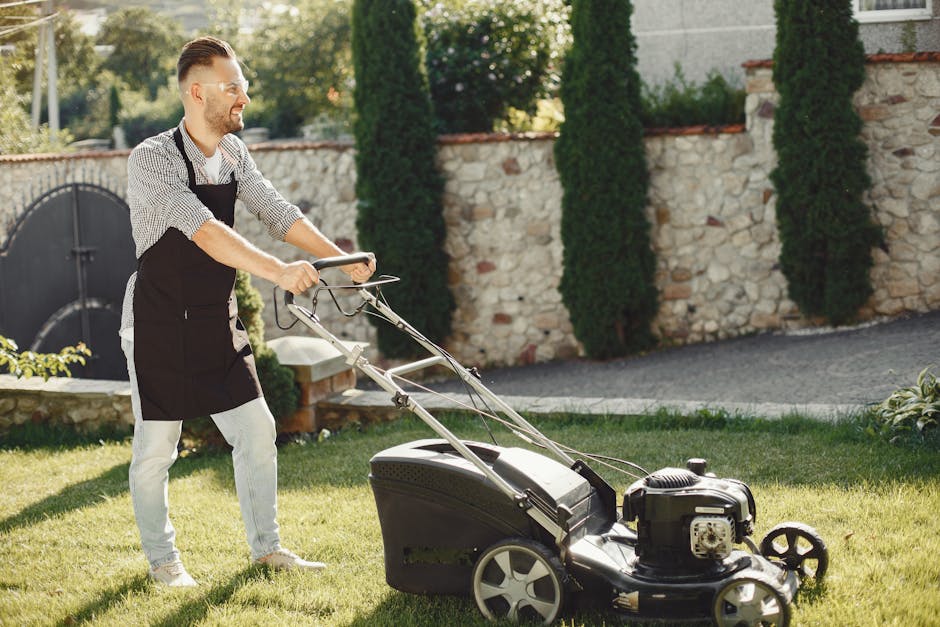
Gardeners serving Seven Kings station and Cranbrook Estate
If you live near Seven Kings station or on Cranbrook Estate, you already know the garden can be either a quiet bonus or a constant little job on the to-do list. One week it looks tidy and manageable; the next, the hedge has pushed out, the lawn is patchy, and the back corner has become a catch-all for leaves, pots, and forgotten bits of garden furniture. Gardeners serving Seven Kings station and Cranbrook Estate help turn that sort of stress into something steady, neat, and genuinely easier to live with.
This guide explains what local garden care usually involves, how the service works in practice, and how to decide which tasks are worth handling first. It also covers useful comparisons, common mistakes, and a straightforward checklist so you can make sense of your options without feeling rushed. Truth be told, most people do not need a perfect garden. They need a garden that feels cared for and fits real life.
Table of Contents
- Why Gardeners serving Seven Kings station and Cranbrook Estate Matters
- How Gardeners serving Seven Kings station and Cranbrook Estate Works
- Key Benefits and Practical Advantages
- Who This Is For and When It Makes Sense
- Step-by-Step Guidance
- Expert Tips for Better Results
- Common Mistakes to Avoid
- Tools, Resources and Recommendations
- Law, Compliance, Standards, or Best Practice
- Options, Methods, or Comparison Table
- Case Study or Real-World Example
- Practical Checklist
- Conclusion
- Frequently Asked Questions
Why Gardeners serving Seven Kings station and Cranbrook Estate Matters
Local gardening support matters because the character of a place changes the kind of maintenance it needs. Around a busy station area, gardens often face a mix of footfall, shade from buildings, wind tunnels, and the usual London dust that settles on patios and leaves shrubs looking dull a bit quicker than you would expect. On Cranbrook Estate, the picture can be different again: smaller outdoor spaces, shared edges, practical access issues, and neighbours close enough that an overgrown hedge is not just a garden issue, it is a courtesy issue too.
That is why a good gardener does more than cut things back. They understand timing, access, waste handling, plant health, and how to keep the space looking presentable without making it feel stripped bare. A tidy front garden near a station can improve the feel of the whole property. A well-kept rear garden on an estate can make daily life calmer, which sounds small, but it really is not.
There is also a trust factor. People often want someone who can come regularly, work sensibly, and not turn every visit into a separate drama. That means showing up prepared, working cleanly, and leaving the garden in better shape than they found it. Simple enough, but not everyone does it.
If you need a broader view of what a full service can cover, the services overview gives a useful starting point before you decide what your garden actually needs.
How Gardeners serving Seven Kings station and Cranbrook Estate Works
In practice, local gardening work usually starts with an assessment. That can be a quick look over the garden, or a more detailed chat if the space needs a combination of maintenance and repair. A gardener will often check the lawn condition, hedge growth, borders, weeds, fallen debris, access points, and whether there are any features such as decking, trees, or hard landscaping that need separate attention.
From there, the work is usually split into tasks. For example, a standard visit might involve mowing, edging, weeding, pruning, and clearing waste. A seasonal visit may focus more on hedge reduction, cutting back overgrowth, clearing leaves, and preparing planting areas for the next stage. If the garden has been left for a while, the first visit might be more about restoration than routine care.
That split matters. It is the difference between a one-off tidy-up and a garden that stays manageable. And let's face it, if a garden is only ever attacked once every few months, it tends to fight back.
Some properties in the area may also need more specific work. A lawn that has thinned out may need careful mowing and aftercare rather than a harsh cut. A hedge near a walkway may need controlled shaping. A cluttered side return or back yard may benefit from garden clearance before anything else. In other words, the job should match the condition of the space, not just a fixed list from a brochure.
Where garden layouts are more ambitious or the owner wants to rework the space entirely, services such as landscape gardening or broader landscaping may be more relevant than routine maintenance alone.
Key Benefits and Practical Advantages
The benefits are practical first, then aesthetic. A well-kept garden is easier to use, safer to move through, and less likely to spiral into a bigger job. That is the honest version. Yes, it looks better too, but the real value is usually in the reduction of hassle.
- Less weekend catch-up work: Regular care stops small jobs from turning into a full-day scramble.
- Better first impressions: A neat front garden near Seven Kings station can quietly improve the appearance of a home or rental property.
- Healthier planting: Proper pruning, watering awareness, and weed control help plants compete properly.
- Cleaner outdoor space: Leaf build-up, moss, and stray waste are easier to keep under control.
- Safer paths and edges: Overgrowth near steps, paving, or access routes can be trimmed back before it becomes awkward.
- Better use of space: Once the clutter is gone, you often realise the garden is larger than it felt.
There is a quieter benefit too: gardening support reduces decision fatigue. You are not constantly wondering whether to mow, cut, clear, trim, or leave things until next weekend. Someone else brings a rhythm to it.
For homes with lawns, regular upkeep from lawn mowing services can make a surprising difference to how the entire space looks. If hedges are the main issue, then hedge trimming is often the fastest route to a cleaner, more open feel.
Who This Is For and When It Makes Sense
Not every garden needs the same level of attention, and not every homeowner needs the same kind of support. Some people want weekly or fortnightly maintenance because they like the garden to stay crisp. Others need a one-off reset after a period of neglect, illness, travel, tenancy change, or just a busy season of life. It happens. Gardens are patient, but they do not pause forever.
This kind of service makes sense if you:
- have a front or back garden that grows faster than you can keep up with
- live in a property where outdoor presentation matters
- manage a rented home and need reliable upkeep between tenants
- want seasonal pruning, mowing, or weed control without doing it yourself
- need help clearing accumulated waste or overgrowth before a bigger project
- have decking, borders, or trees that need specialist attention
It also makes sense if you simply want to enjoy the space more. A lot of people do not care about immaculate beds or prize-worthy roses. They just want to sit outside with a cup of tea, hear a bit of birdsong, and not stare at a thicket of nettles. Fair enough, really.
If your outdoor space includes built features, it can be useful to look at decking services as part of the bigger picture, especially where timber surfaces need to stay safe and tidy alongside the planting.
Step-by-Step Guidance
Here is a sensible way to approach garden care if you are trying to get things back under control or set up ongoing maintenance.
- Walk the garden slowly. Notice what is actually bothering you: the lawn, the hedge line, the weeds, the clutter, or the overall mess. It sounds obvious, but people often try to fix everything at once.
- Separate urgent jobs from cosmetic ones. A blocked path, unstable branches, or heavy overgrowth should usually come before styling or planting.
- Decide whether the space needs a reset or routine care. A reset may involve clearance and pruning. Routine care is about keeping the garden in shape after that.
- Match the service to the problem. Mowing, hedge work, clearance, and landscaping each solve different issues. If you pick the wrong one, you end up paying for the wrong outcome. Nobody wants that.
- Ask how waste will be handled. Green waste, branches, bags of soil, and mixed debris should be removed or processed responsibly.
- Set a rhythm for the future. After the first tidy-up, decide whether the garden needs monthly, seasonal, or ad hoc visits.
A practical example: if a small terrace near the station has a tired lawn, tangled hedge, and two years' worth of pots shoved into the corner, the best order is usually clearance first, then cutting back, then lawn care. Not the other way round. If you mow before you clear, you are just making life harder for yourself.
Expert Tips for Better Results
The best gardens are not always the most heavily worked gardens. They are the ones that get the right tasks done at the right time. That is the bit people miss.
- Do less, but do it more consistently. Regular maintenance often beats occasional dramatic overhauls.
- Watch hedge timing. Heavy trimming too often can leave a hedge thin and stressed. A well-shaped hedge looks deliberate, not hacked about.
- Do not scalp the lawn. Cutting too short can make a lawn look neat for a day and poor for weeks.
- Keep edges clean. Sharp borders and tidy paths make a garden feel maintained even when planting is simple.
- Use the season to guide the work. Spring is often about recovery and growth; autumn is usually about clearing, pruning, and preparation.
- Protect access points. On estates and near stations, pathways and side entries can quickly become the most important parts of the garden.
One small but useful habit: take a quick photo before each visit if you are managing a longer project. It helps you notice progress that is otherwise easy to miss. You might not see it day to day, but after a few weeks the difference is clear.
For ongoing upkeep, many homeowners pair general visits with garden maintenance so the work stays balanced instead of lurching from one emergency to another.
Common Mistakes to Avoid
Most garden problems become more expensive because someone waited too long, guessed the wrong fix, or mixed routine care with a bigger job. Very human, to be fair.
- Waiting until everything is overgrown: Once the space becomes hard to move through, the job takes longer and usually costs more.
- Using one service for everything: Mowing cannot replace proper pruning, and pruning will not solve a cluttered clearance job.
- Ignoring access issues: Narrow side paths, locked gates, parked cars, or shared entrances can slow work down if they are not planned for.
- Forgetting waste handling: Green waste piles up quickly. If you do not plan removal, the "finished" garden can still feel unfinished.
- Over-pruning shrubs and hedges: Heavy-handed cuts can spoil shape and reduce healthy regrowth.
- Leaving tree issues unresolved: Low branches, deadwood, or awkward growth near roofs and boundaries should not be ignored.
If a garden has trees that are getting too large, or branches are interfering with light and access, it is worth considering tree lopping and removal rather than trying to manage it with basic tools and hope.
And yes, hope is useful in many areas. Garden maintenance is not one of them.
Tools, Resources and Recommendations
Professional results usually come from using the right equipment for the task, not from doing everything as fast as possible. A good garden team will typically rely on tools that match the space and the condition of the work.
| Task | Typical approach | Best outcome |
|---|---|---|
| Lawn care | Adjusted mowing height, edging, tidy finishing | Cleaner appearance and healthier grass |
| Hedge work | Careful trimming, shaping, selective cutting | Neat structure without damaging growth |
| Clearance | Removal of waste, dead material, and clutter | Usable space before other work begins |
| Hard landscaping | Defined surfaces, edges, and layout planning | More practical outdoor use year-round |
| Decking | Surface care, cleaning, and structural awareness | Safer, more inviting outdoor seating or access |
Where the garden needs a more complete transformation, it is worth thinking beyond maintenance alone. Some spaces need structure, not just tidying. In those cases, a mix of landscaping, planting adjustments, and practical surface work makes more sense than repeated cosmetic fixes.
If you are comparing services or simply trying to understand the range of work available, the services overview is useful because it keeps the picture broad without overcomplicating it.
Law, Compliance, Standards, or Best Practice
Garden work is not usually a heavily regulated topic for the homeowner, but there are still sensible standards to follow. Safety, waste handling, property access, and neighbour awareness all matter. In the UK, a careful gardener should work in a way that avoids unnecessary risk, protects the property, and leaves pathways, gates, and shared spaces secure.
Best practice also means handling waste responsibly and avoiding shortcuts that create future problems. Branches should not be left in a way that blocks access. Cuttings should not be dumped carelessly. Equipment should be used in a controlled manner. If a service provider treats those basics seriously, that is a good sign.
It is also reasonable to expect clear communication around quoting, payment, and the scope of work. If a garden has steep sections, awkward access, hidden damage, or a lot more waste than expected, that should be discussed before anyone starts swinging tools around. Clear expectations save everyone time.
For reassurance, some customers also like to check a provider's approach to insurance and safety and how the business handles operational standards. Those pages are not exciting reading, granted, but they do matter when you want a job done properly.
For practical transparency, it can help to review pricing and quotes before arranging work so you understand what is included and what might change depending on the job.
Options, Methods, or Comparison Table
Different garden problems call for different levels of support. Choosing the right approach saves money and avoids overdoing the work. Here is a simple comparison.
| Option | Best for | Strengths | Limitations |
|---|---|---|---|
| Routine maintenance | Regular mowing, weeding, trimming, general care | Keeps the garden manageable and consistent | Not enough for neglected or heavily overgrown spaces |
| Garden clearance | Cluttered, blocked, or long-ignored spaces | Creates a clean slate quickly | Does not always improve long-term structure on its own |
| Landscaping | Redesigning layout, surfaces, or flow | Can improve how the whole space works | Usually more involved than routine care |
| Tree work | Large, awkward, or unsafe growth | Improves light, safety, and access | Requires careful assessment and planning |
For many homes near Seven Kings station and on Cranbrook Estate, the best answer is not one single service. It is a sequence: clear, trim, maintain, then improve. Simple sequence. Better results.
Case Study or Real-World Example
Imagine a family living in a compact property near the station with a small rear garden and a narrow front strip. Over time, the lawn becomes uneven, the hedge starts leaning into the path, and a few bags of old compost, broken pots, and garden odds-and-ends build up by the fence. Nothing dramatic. Just enough to make the space feel heavier every time the back door opens.
In a situation like that, the first job would usually be clearance. Remove the dead material, the clutter, and anything that is simply in the way. Then the hedge can be trimmed into shape, the lawn can be cut and edged properly, and the space can be reviewed for longer-term changes such as planting, stepping stones, or better use of the border. If there is a tired timber area beside the house, decking care may also be part of the plan.
What changes most is not only the look of the garden, but the way the owners feel about using it. Instead of seeing a chore every time they glance outside, they see a place to hang washing, let the kids play for ten minutes, or sit down with a mug of tea after work. That emotional shift is easy to underestimate. You notice it on a grey Tuesday afternoon, oddly enough, when the back garden no longer feels like a problem waiting for you.
Practical Checklist
Use this checklist before booking or planning work.
- Identify the main issue: lawn, hedge, weeds, clutter, trees, or layout.
- Decide whether you need routine maintenance or a one-off reset.
- Check access to front, rear, and side garden areas.
- Think about waste removal and how much material will need clearing.
- Note any fragile surfaces, loose paving, or awkward steps.
- Ask whether the work will improve long-term upkeep, not just the immediate look.
- Review whether a separate service such as clearance, trimming, or landscaping makes more sense.
- Confirm the expected timing and how weather may affect the visit.
- Consider any neighbour boundaries, shared access, or estate-specific restrictions.
- Keep a short note of what you want to achieve after the first visit.
That last one is easy to skip, but it helps. A simple note like "make the front neat and stop the back hedge from blocking the path" can be much more useful than trying to describe the whole garden in a rush.
Get a free quote today and see how much you can save.
Conclusion
Gardeners serving Seven Kings station and Cranbrook Estate are not just there to make things look presentable for a day. The real value is in keeping outdoor space manageable, safe, and pleasant to use in everyday life. Whether you need mowing, hedge trimming, clearance, tree work, or a longer-term landscaping plan, the best results usually come from matching the task to the condition of the garden rather than forcing everything into one template.
If you start with a clear goal, keep the work realistic, and choose maintenance that fits the space, the garden becomes easier to live with almost immediately. Not perfect. Just better, calmer, and more yours. And honestly, that is often enough.
Frequently Asked Questions
What do gardeners serving Seven Kings station and Cranbrook Estate usually help with?
They commonly help with mowing, hedge trimming, border care, weeding, garden clearance, tree-related work, and general maintenance. Some gardens need only routine care, while others need a full reset first.
How often should a garden be maintained in this area?
It depends on the garden's size, planting, and how quickly it grows. Many people benefit from regular visits during the growing season, with lighter or seasonal work at other times. A busy or neglected garden usually needs more frequent attention at the start.
Is garden clearance different from regular maintenance?
Yes. Clearance deals with accumulated waste, debris, and heavy overgrowth. Maintenance is about keeping a garden in good condition after that initial clean-up. They often work best together, not separately.
Can a gardener help if my lawn is patchy or uneven?
They can usually improve the look and condition of the lawn by mowing correctly, edging, and clearing debris. If the grass is badly worn, a longer-term plan may be needed to improve the surface over time.
What should I do before booking a garden visit?
Walk the space, note the main issues, and decide what matters most. It helps to think in priorities: safety, access, clutter, then appearance. A quick list makes the conversation much easier.
Do I need landscaping or just maintenance?
If the garden already works but looks untidy, maintenance may be enough. If the layout feels awkward, the surfaces are tired, or the space is hard to use, landscaping may be the better option. The difference is practical, not just cosmetic.
What if my hedge has grown too large for a simple trim?
That usually needs a more considered cut and possibly staged trimming rather than a quick tidy. Big hedges should be handled carefully so they stay healthy and keep a sensible shape.
How do I know whether tree work is necessary?
If branches are blocking light, touching structures, dropping large amounts of debris, or making access awkward, it may be time to look at tree lopping and removal. Anything involving safety or roof proximity should be taken seriously.
What should I ask about pricing?
Ask what is included, whether waste removal is part of the quote, and whether the price could change if the garden is more overgrown than expected. Clear pricing avoids awkward surprises later on.
Are these services suitable for small estate gardens and front yards?
Absolutely. In fact, smaller spaces often benefit the most because small jobs become visually obvious very quickly. A neat front strip or compact rear garden can change the feel of a whole property.
Will a gardener take away the green waste?
Often yes, but it is worth confirming in advance. Waste handling should be discussed before work starts so you know whether removal, recycling, or disposal is included.
How do I choose the right service if I am not sure what I need?
Start with the main problem. If it is overgrowth, ask about trimming or clearance. If the garden is simply hard to keep up with, maintenance may be enough. If the space no longer suits how you use it, look at landscaping or a broader plan. The right choice usually becomes clearer once you describe the garden honestly, warts and all.
If you want to understand the company behind the service before making a decision, you can also review the about us page and the contact page for next steps and practical details.
A well-kept garden does not need to shout. It just needs to feel cared for, and that feeling goes a long way on an ordinary weekday evening.