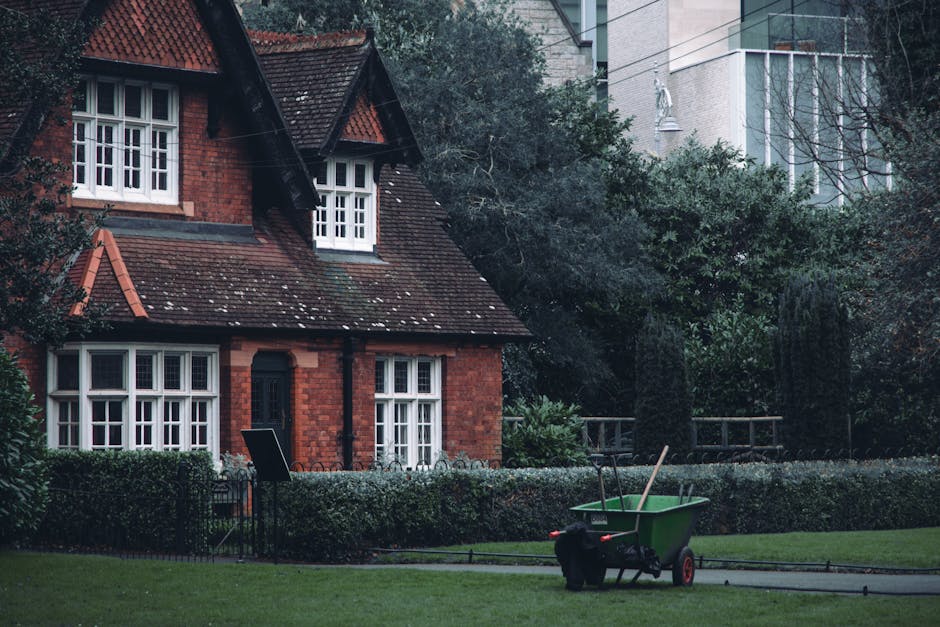
Ilford gardeners for small yards near Valentines Park: a practical guide to making limited space feel generous
Small gardens can be brilliant. They are intimate, easier to manage, and often more useful than bigger spaces that are half-wasted. But they can also be frustrating, especially if you live near Valentines Park in Ilford and want a yard that feels calm, tidy, and genuinely enjoyable instead of cramped. That is where Ilford gardeners for small yards near Valentines Park really earn their keep.
In a compact yard, every decision matters: where the light falls, how much lawn to keep, whether a hedge is stealing space, and how to stop the whole thing from feeling cluttered by a single untidy corner. This guide breaks down what good small-yard gardening actually looks like, how the work is usually approached, what to avoid, and how to get a result that feels thoughtful rather than overworked. If you are weighing up a tidy-up, a redesign, or regular help, you are in the right place.
Why Ilford gardeners for small yards near Valentines Park Matters
Small yards are unforgiving in a nice way. They show you immediately whether the layout works. One awkward path, one oversized shrub, or one patch of patchy grass and suddenly the whole space feels tighter. Near Valentines Park, where homes often sit close to busy roads, foot traffic, and everyday life, people tend to want a garden that feels private and easy to step into after work. Not a project that nags at them every weekend.
That is why local know-how matters. A gardener working in Ilford understands the practical realities of urban gardens: limited access, narrow side returns, mixed shade, neighbours nearby, and the need for tidy finishes that do not make a small area feel busy. A good result is not about adding more. Often, it is about editing, simplifying, and making the best features do more of the work.
To be fair, small yards near Valentines Park can be deceptively tricky. They often have a bit of everything: some shade from fences or buildings, a sun trap in one corner, a damp strip along the back, maybe a tired lawn, maybe a hedge that has got a little too bold for its boots. The right gardener sees the whole picture and starts trimming it back to what actually helps the space breathe.
Expert summary: In a compact garden, the best improvement is usually not the biggest one. It is the one that clears visual noise, improves access, and makes the space easier to enjoy every day.
How Ilford gardeners for small yards near Valentines Park Works
The process is usually more straightforward than people expect, but the details matter. A professional gardener will normally begin by looking at how you use the space now and how you want it to feel. That might sound obvious, but it saves time and avoids costly guesswork later. Do you want a low-maintenance yard for a busy household? A small planted retreat? A safe play area? Somewhere to sit with a coffee while the morning light reaches the patio? Those answers shape everything else.
From there, the work often falls into one or more of these practical stages:
- Initial assessment: measuring the usable space, checking access, and spotting problem areas such as poor drainage, overgrown edges, or wasted corners.
- Clearing and tidying: removing dead growth, litter, broken pots, tangled stems, and anything that makes a small yard feel overcrowded.
- Shaping and reduction: cutting back hedges, pruning shrubs, and reducing bulky planting that blocks light or movement.
- Lawn or groundcover care: mowing, edging, scarifying light debris, or replacing difficult grass with lower-maintenance alternatives if needed.
- Layout improvements: creating clearer paths, better seating zones, or a stronger sense of width and depth through placement and proportion.
- Ongoing upkeep: regular visits to keep everything under control before it drifts back into chaos. Happens fast, honestly.
If you are looking at a broader package of help, it can be useful to review the services overview to see how maintenance, clearance, mowing, hedge work, and broader landscaping can fit together without overcomplicating the job.
There is also a practical reality to all this: small spaces are faster to overwhelm and faster to improve. A one-hour tidy-up in a compact yard can make the whole place feel different by teatime. You notice the air, the light, even the sound of the fence line once the clutter is gone. That is the sort of change people usually want.
Key Benefits and Practical Advantages
The value of a good small-yard gardener is not just visual. Yes, it looks better. But the real benefit is how much easier life becomes once the garden stops being a burden.
- More usable space: careful trimming and layout choices can make a yard feel wider and less boxed in.
- Lower maintenance: the right planting mix and regular care reduce the weekend workload.
- Better light: cutting back overgrowth often opens up the space in a way people immediately notice.
- Safer movement: clearer paths and tidier borders reduce trip hazards and awkward squeeze points.
- Better presentation: a neat yard simply feels more welcoming, whether you are sitting out yourself or getting the property ready for visitors.
- More privacy where needed: strategic hedging or screening can protect the feel of the space without swallowing it.
A surprisingly common win in small yards is the decision to remove one tired feature rather than add three new ones. Remove a cluttered border, lift a hedge, or simplify a patch of mixed pots and the whole garden suddenly feels more intentional. Less fuss. More calm.
If you are comparing ongoing care against one-off improvement work, regular garden maintenance is often the best way to keep a compact yard from sliding back into overgrowth. For spaces with hard edges, narrow entrances, or awkward corners, that steady rhythm makes a big difference.
Who This Is For and When It Makes Sense
This kind of gardening is a strong fit for all sorts of households. It is not just for people who already love gardening. In fact, it is often for people who want the benefits of a tidy outdoor space without spending every spare Saturday chasing weeds.
You may want help if you are:
- a homeowner with a small rear yard that feels cluttered or underused;
- a landlord preparing a compact garden for new tenants;
- a busy family trying to make a small outdoor area safer and easier to manage;
- an older resident who wants less lifting, bending, and pruning on their plate;
- someone near Valentines Park who wants a smarter-looking space for sitting out, not just storing bits and pieces;
- a person planning a light redesign before adding features like decking or better planting.
It also makes sense if your small yard has one specific issue that keeps getting worse. Maybe the hedge is too wide, maybe the lawn is too patchy, maybe the rear corner collects dead leaves and never quite recovers. Those are the sorts of problems that quietly drain enjoyment out of a space.
And here is the honest bit: sometimes people wait too long because they think the job is too small to call in help. It is usually the opposite. Small jobs are often where experienced gardeners can make the most visible impact with the least disruption.
Step-by-Step Guidance
If you want to approach a small-yard project sensibly, the best results usually come from a clear sequence. No drama. No over-design. Just solid decisions in the right order.
- Walk the space at different times of day. Morning and late afternoon light can change the feel of a yard completely. A spot that looks dull at noon may be the best seating area by 5pm.
- List what the space must do. Storage, planting, drying clothes, sitting, pet access, child play, privacy - write it all down before touching a spade.
- Clear what does not earn its place. Dead pots, broken timber, old compost sacks, oversized planters, and scruffy edging create more visual weight than people expect.
- Decide the focal point. A small yard needs one thing to settle the eye: a seat, a feature pot, a clean lawn shape, a neat raised bed, or a simple paved area.
- Reduce, then refine. Trim hedges, prune shrubs, narrow border plants, and clean up edges before adding anything new.
- Choose low-fuss planting. Layered but restrained planting usually works better than cramming in many small species.
- Build in maintenance from day one. If a layout needs weekly heroics to look decent, it is probably not the right layout for a small yard.
When a site needs more than routine care, it may be worth considering landscaping services for structural changes, or landscape gardening if you want the design to work harder as well as look better.
One small, practical trick: stand at the back door and look out as if you have just come home with bags in your hands. Can you move comfortably? Can you see the whole yard without it feeling busy? That little test catches a lot of layout problems before they happen.
Expert Tips for Better Results
Small gardens reward restraint. That is the first rule. The second rule is proportion. A small space can absolutely have character, but only if every feature is scaled carefully.
- Use fewer, better-defined planting zones. Three clean areas usually work better than seven tiny ones.
- Keep edging sharp. Crisp edges make even a modest yard look looked-after. It is one of those things people notice without realising why.
- Do not overfill corners. A cramped corner rarely looks inviting. Often it just looks like the gardener ran out of ideas, which is a bit unfair, but still.
- Mix structure with softness. A fence line, hedge, or trellis can give shape while planting softens it.
- Choose surfaces carefully. Too many different materials in a small area can create visual noise. One or two usually enough.
- Think vertically. If floor space is tight, use height with screening, climbers, wall features, or compact raised beds.
- Leave breathing room. A little empty space is not wasted space. It gives the eye somewhere to rest.
If your yard includes taller trees or mature growth near boundaries, safe reduction should always be handled carefully. In some cases, professional tree lopping and removal may be needed, especially where a tree is reducing light or crowding the whole garden. Likewise, if hedges are starting to steal usable square footage, hedge trimming can transform a narrow plot quicker than you might think.
Another small but useful habit: photograph the garden before work starts. Then take the same angle after. The contrast can be quite satisfying, and yes, occasionally a bit ridiculous in the best way.
Common Mistakes to Avoid
Most small-yard mistakes come from trying to do too much. That is the honest truth. A compact outdoor space can only carry so many ideas before it starts feeling busy, awkward, or oddly unfinished.
- Choosing too many plants: crowded borders look messy faster in a small space.
- Using oversized furniture: a chunky set can swallow the garden whole.
- Ignoring access: if the gardener cannot reach the rear corner safely and comfortably, upkeep becomes harder later.
- Letting hedges overgrow: they can steal daylight and movement in a surprisingly short time.
- Adding features without a plan: a decorative item is only useful if it improves the space rather than competing with it.
- Skipping maintenance after the makeover: a small yard can drift back very quickly if it is left alone for too long.
There is also the temptation to treat a small garden like a bigger one in miniature. That does not quite work. Large gardens can absorb variety and meandering routes. Small gardens need clarity. They need one or two ideas that land well.
And if the space has become genuinely overrun, it may be more efficient to start with garden clearance before any design work begins. Clearing first usually saves time, money, and stress. Not glamorous, but it works.
Tools, Resources and Recommendations
For homeowners who like to keep on top of a small yard themselves between visits, a modest tool kit is usually enough. You do not need a shed full of gadgets. In many cases, one good set of hand tools and a reliable mower or trimmer is all that is required.
| Task | Useful tool or approach | Why it helps in a small yard |
|---|---|---|
| Cutting grass | Compact mower or routine mowing service | Keeps the lawn neat without taking over storage space |
| Tidying edges | Shears or edging tool | Creates the clean lines that make a small garden feel sharp |
| Hedge shaping | Light pruning tools or professional hedge work | Prevents hedges from spreading into the usable area |
| Bulk clutter removal | Clear bags, containers, or a clearance service | Stops waste and old items from shrinking the space visually |
| Surface improvement | Cleaning, re-edging, or refreshed hard landscaping | Makes the whole yard read as one clean, usable area |
If you want a fuller view of available support, it is worth checking lawn mowing for routine turf care and decking services if you are considering a raised or defined seating area that fits a compact layout. A small deck, done well, can make a yard feel like an extra room. Done badly, it just looks like a platform. Subtle difference, big effect.
For households focused on upkeep rather than redesign, the best resource is often a simple seasonal routine: one clear, one trim, one check for drainage, one review of what is crowding the space. That rhythm keeps the garden honest.
Law, Compliance, Standards, or Best Practice
Garden work in small residential spaces is usually straightforward, but sensible standards still matter. Good practice protects you, your property, and the people doing the work.
In practical terms, that means:
- Using safe access and working methods where paths are narrow, surfaces are uneven, or there are steps.
- Checking tree and hedge work carefully so pruning does not create avoidable hazards or damage boundaries.
- Handling waste responsibly rather than dumping green waste or leaving it bagged up for weeks.
- Being clear about scope and expectations before work starts, especially in compact gardens where every metre counts.
- Considering insurance and safety arrangements when a job includes ladders, cutting equipment, or more involved clearance.
If you are hiring help, it is sensible to review the business's insurance and safety information and its health and safety policy. That is not about being fussy. It is about making sure the work is carried out properly and with care. If you are also curious about waste handling and greener choices, recycling and sustainability gives a useful sense of how green waste and materials can be managed thoughtfully.
For quotes, pricing structure, and what is usually included, pricing and quotes is a sensible place to start. Small garden jobs can vary a lot depending on access, condition, and how much cutting back is needed, so clear expectations matter more than a quick guess.
Options, Methods, or Comparison Table
Not every small yard needs the same solution. Some need regular maintenance; others need a reset; some need a bit of both. Choosing the right approach saves money and avoids unnecessary work.
| Approach | Best for | Typical outcome | Trade-off |
|---|---|---|---|
| Routine maintenance | Small yards already in decent shape | Consistent, tidy, low-stress upkeep | Less dramatic change in the short term |
| Clearance first | Overgrown or cluttered spaces | Immediate space recovery and better visibility | Can reveal deeper issues that need follow-up work |
| Light landscaping | Yards that need structure or better flow | Improved layout, circulation, and usability | Takes more planning than a basic tidy-up |
| Feature-led redesign | People who want a more polished outdoor room | Stronger visual identity and better day-to-day enjoyment | Usually needs a bigger budget and more decisions |
If the yard is mainly tidy but a bit dull, a small redesign can work wonders. If it is overgrown and messy, start with clearance and maintenance before talking about features. That order usually makes the budget go further. Common sense, really, but easy to skip when you are excited about the end result.
Case Study or Real-World Example
Imagine a narrow rear yard near Valentines Park: patchy lawn, a hedge pressing in from one side, a few broken pots along the fence, and a bit of paving that no longer feels like a proper sitting area. Nothing terrible. Just tired. A space like that often gets ignored because it looks too small to be worth the effort.
The first pass would likely focus on cutting back the hedge, clearing the dead material, and defining the edges of the usable space. Next comes a choice: keep a small section of lawn, or replace most of it with a lower-maintenance surface and a compact planted border. In many cases, the second option makes the garden feel bigger because it removes visual clutter and opens the middle up.
Now add a neat seat, one focal pot, and a cleaner path line from the back door. Suddenly the yard feels intentional. Not huge. Not magical. Just better in a way the household notices straight away. The sort of improvement that makes people actually step outside with a mug of tea instead of glancing at the garden and thinking, "I should really sort that out."
That is the sort of transformation skilled gardeners aim for in small spaces: practical, manageable, and quietly satisfying.
Practical Checklist
Use this before you book work or start planning changes:
- Have you defined what you want the yard to do day to day?
- Do you know which plants, hedges, or features are taking up too much room?
- Is access to the garden clear enough for work to be done efficiently?
- Have you decided whether you need maintenance, clearance, landscaping, or a mix?
- Are there any safety concerns, such as unstable surfaces or low branches?
- Do you want more privacy, more light, or more usable seating space?
- Have you thought about how much time you want to spend maintaining the result?
- Would a cleaner layout help more than adding new features?
- Have you checked pricing, scope, and what is included in the work?
- Are waste removal and sustainability part of your decision?
If you are comparing service providers, it is also sensible to learn a little about the company itself. About us can help you understand the people behind the work, while contact us is the natural next step when you are ready to discuss your yard in more detail.
Conclusion
Small yards near Valentines Park do not need to be grand to be lovely. They need to be thoughtful. That is the whole game. The right gardener looks at light, access, maintenance, and proportion, then shapes the space so it feels easier to live with and nicer to step into.
Whether your yard needs simple upkeep, a proper clear-out, better structure, or a bit of all three, the best results usually come from keeping things clear and purposeful. Fewer distractions. Better flow. A space that works on a Tuesday evening as well as it does on a sunny Saturday.
Get a free quote today and see how much you can save.
And if the garden has been quietly annoying you for a while, fair enough. That is exactly the kind of job a good local gardener should make feel lighter.
Frequently Asked Questions
What do Ilford gardeners for small yards near Valentines Park usually help with?
They usually help with trimming, mowing, pruning, clearance, edging, layout improvement, and general maintenance. In small yards, the goal is often to make the space feel clearer and easier to use, not just tidier.
Is a small yard worth improving if it is only a few square metres?
Yes, absolutely. Small spaces often have the biggest visual payoff when they are improved well. A little clearance, better edges, and a smarter layout can make the whole garden feel much more open.
How often should a small garden near Valentines Park be maintained?
That depends on how fast it grows and how much planting you have, but many small gardens benefit from regular light upkeep rather than waiting for major overgrowth. A steady routine usually saves time in the long run.
What is the difference between garden clearance and garden maintenance?
Garden clearance is about removing overgrowth, debris, and clutter to reset the space. Garden maintenance is ongoing care such as mowing, trimming, and keeping everything in shape after the reset.
Can a small yard be made to look bigger?
Yes. Clear lines, fewer visual obstacles, well-chosen planting, and better use of height can all help a small yard feel larger. Sometimes the biggest change is simply removing what is making it feel crowded.
Do small gardens need landscaping, or is maintenance enough?
If the layout already works, maintenance may be enough. If the space feels awkward, poorly balanced, or hard to use, some landscaping can improve the structure and make maintenance easier afterwards.
What should I ask before hiring a gardener for a compact yard?
Ask what is included, how the work will be staged, whether waste is removed, how they handle access, and what kind of ongoing upkeep they recommend. Clear answers now prevent headaches later.
Are hedges a problem in small yards?
They can be if they are left too wide or too tall, because they block light and eat into usable space. That said, well-managed hedges can also provide privacy without making the garden feel closed in.
Should I keep a lawn in a very small yard?
Sometimes yes, sometimes no. A small lawn can soften the space, but if it is difficult to maintain or rarely used, a simpler ground finish or patio area may be more practical. It depends on how you live.
How do I know whether I need tree work in a small garden?
If branches are reducing light, crowding boundaries, or making the space feel tight, tree work may be worth considering. In more involved cases, professional tree lopping and removal may be the safest option.
What if my yard has poor access through the house or side return?
That is very common in Ilford. Good gardeners will plan around access carefully, especially when moving waste, tools, or materials. Narrow access is not unusual, but it does affect the job setup.
How can I keep costs sensible for a small garden project?
Start with the highest-impact work first: clearance, pruning, edging, and maintenance. Then add features only if they genuinely improve the space. If you want to compare options properly, pricing and quotes can help you understand what is likely to matter most.
What is the best first step if my small yard feels overwhelming?
Start by clearing clutter and identifying what is actually useful. Once the space is visible again, it becomes much easier to decide whether you need mowing, trimming, redesign, or regular maintenance. A small reset can do a lot.